
Local Wisdom: Origins and Future✦

2025

Annual Report

Nuestra apuesta institucional

El 2025 fue un año especialmente convulso para la sociedad civil organizada y para el avance de las agendas de derechos humanos y justicia social.

A nivel internacional se aceleraron tendencias que venían gestándose desde años atrás. Entre ellas, la desaparición de USAID y la cancelación abrupta de proyectos de inversión en diversos países, así como el acoso gubernamental en Estados Unidos hacia fundaciones privadas que históricamente han respaldado agendas de derechos humanos, participación ciudadana y justicia social en México y en el mundo.

En el ámbito nacional, el endurecimiento de las obligaciones fiscales hacia organizaciones donatarias autorizadas, en el marco de una estrategia estatal de mayor recaudación, generó un entorno de incertidumbre y aumentó la vulnerabilidad, especialmente para organizaciones con menos recursos.

Este escenario se vio agravado por la violencia en los territorios y por la amenaza constante al trabajo de personas defensoras de derechos humanos y del territorio.

Nuestra respuesta institucional

Frente a este entorno hostil y cambiante, en 2025 asumimos como tarea prioritaria ajustar nuestra estrategia para responder con mayor agilidad y pertinencia a las necesidades de las organizaciones.

Avanzamos en tres frentes principales:

  • Revisión de la estrategia de fortalecimiento, con el objetivo de atender de manera más directa las necesidades identificadas por las copartes.
  • Implementación de pilotos, para experimentar nuevos enfoques que fortalezcan alianzas y promuevan el intercambio de experiencias entre organizaciones.
  • Mayor inversión en el Fondo de Acción Emergente (FAE), ampliando recursos destinados a procesos de articulación y respuesta frente a coyunturas críticas.

Espacios para dudar sanamente juntas

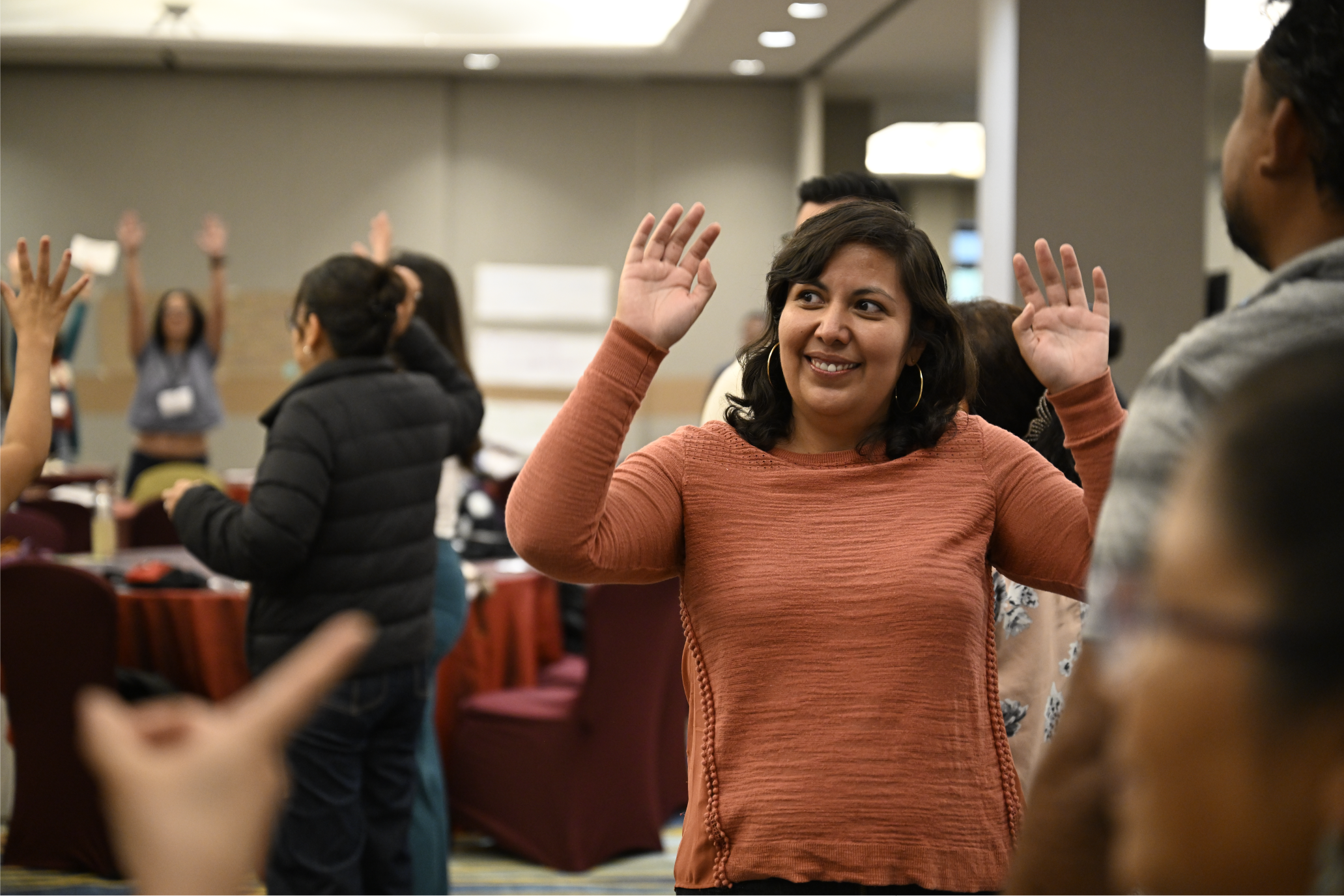
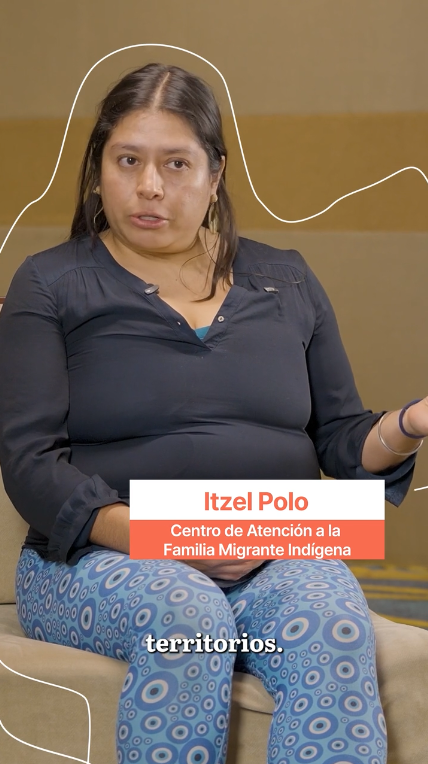
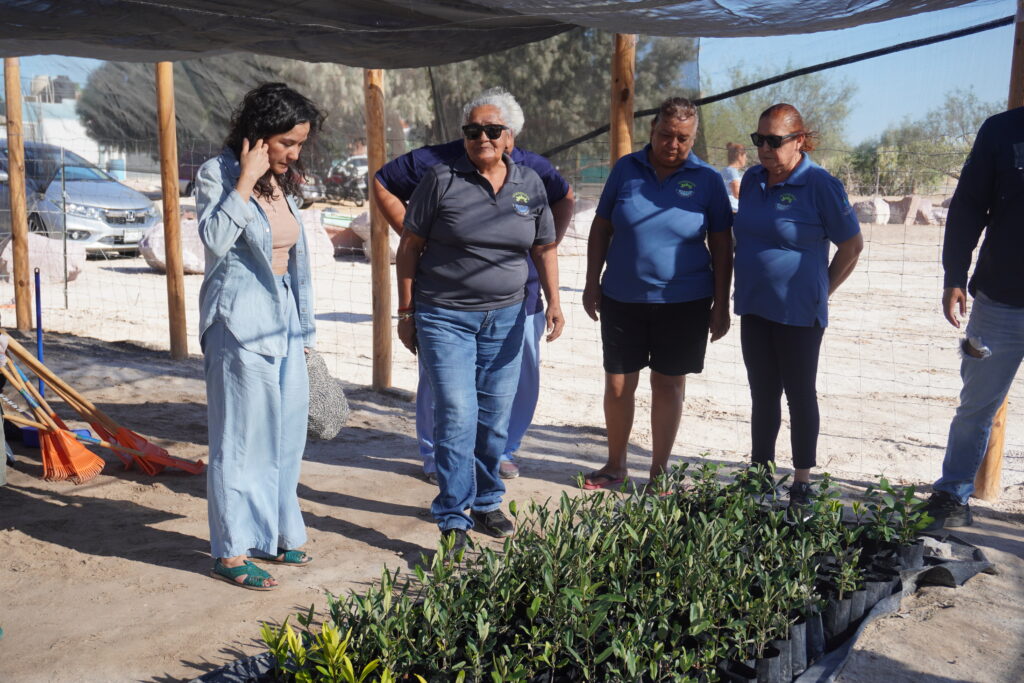
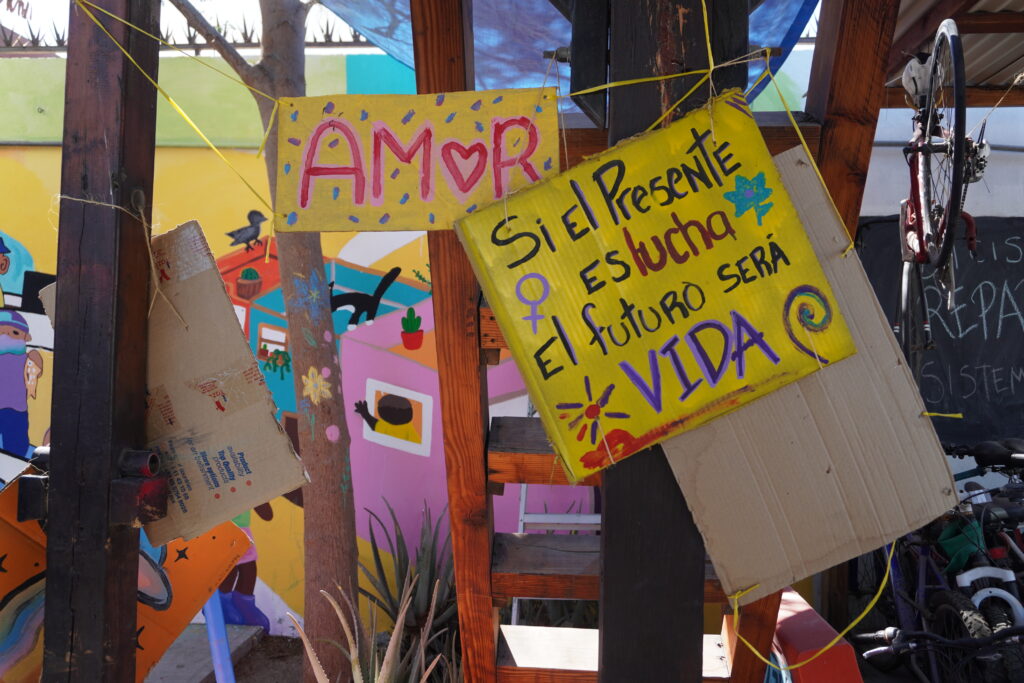
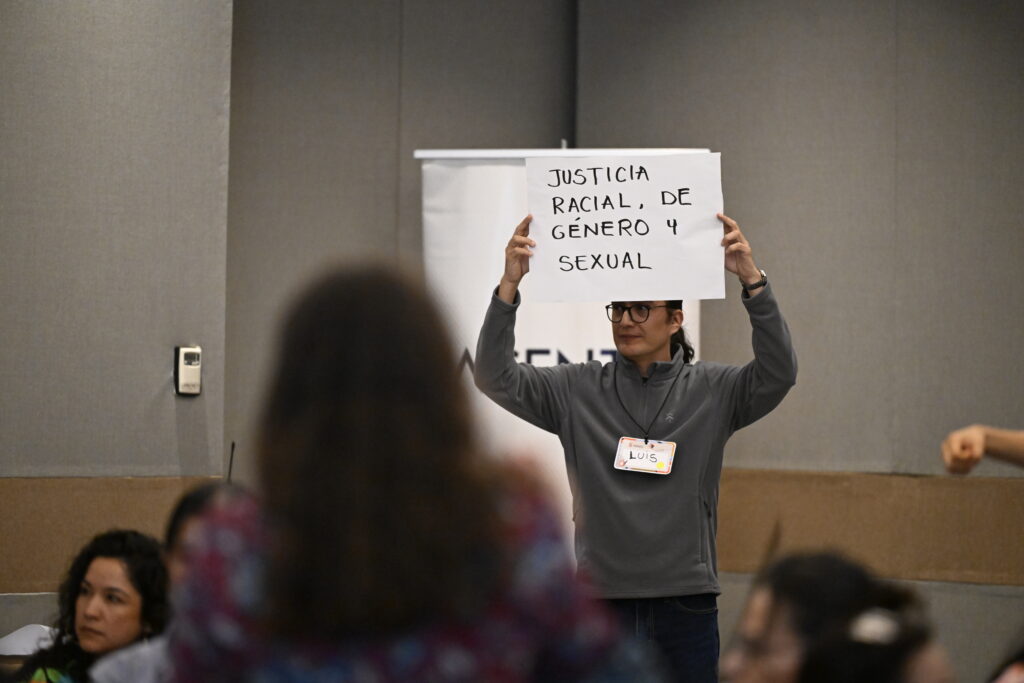
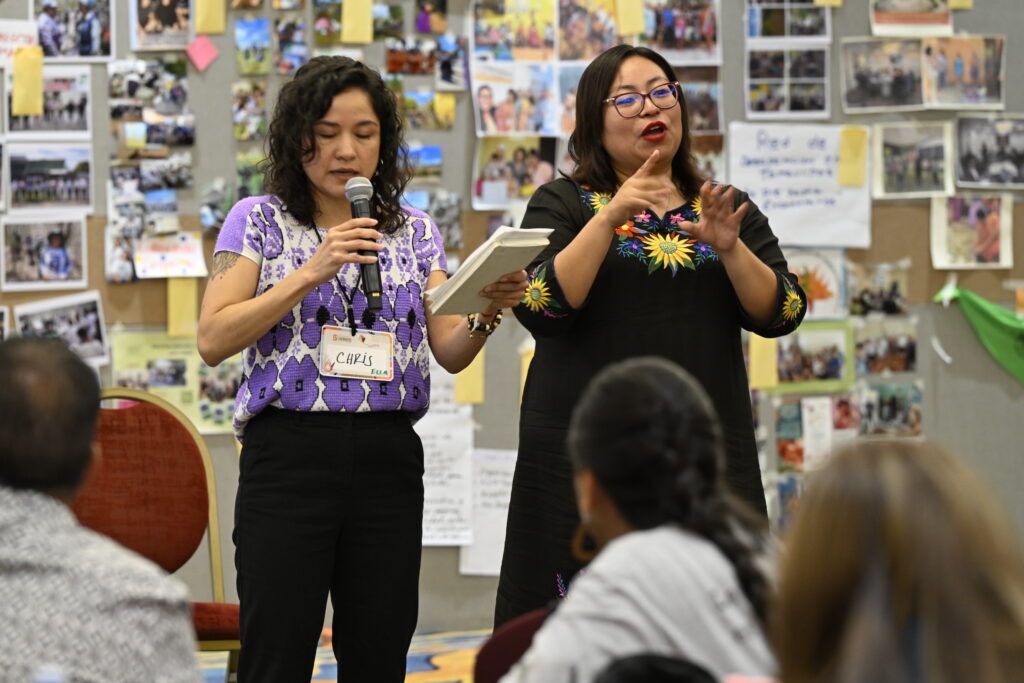
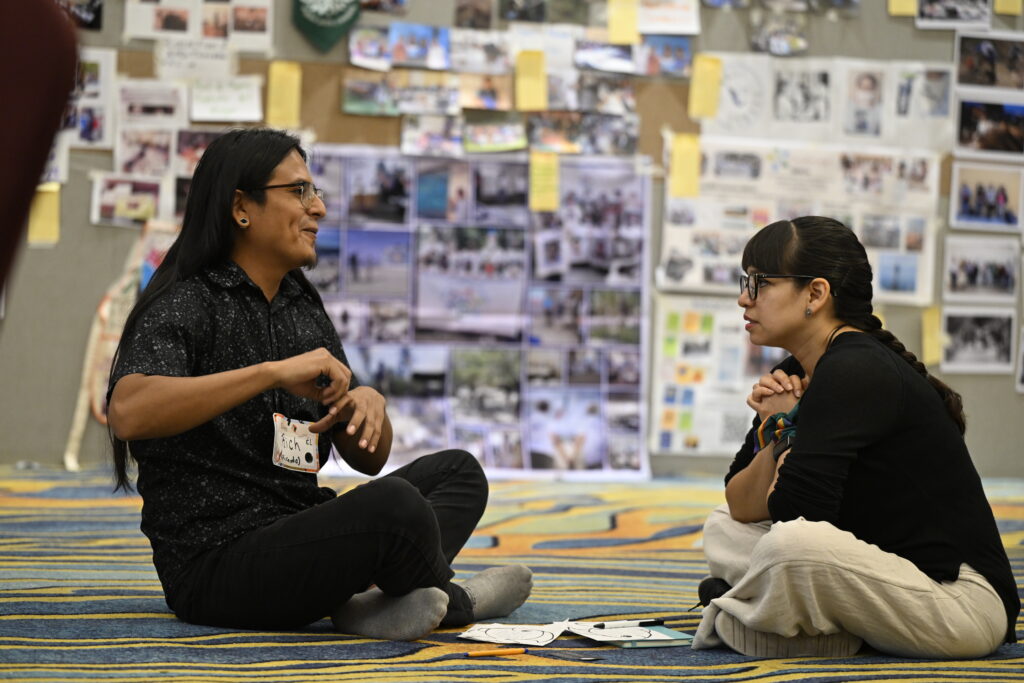
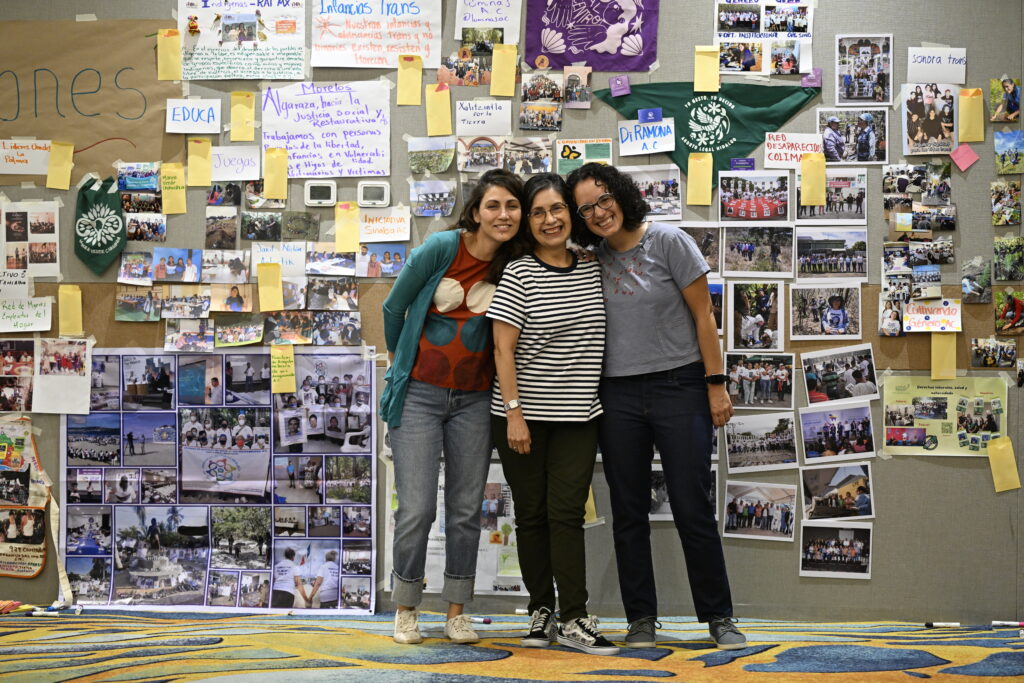
Uno de los momentos más significativos del año fue el Encuentro con Copartes realizado en octubre. Identificamos la necesidad de detenernos para analizar colectivamente cómo se viven los retos en lo local, pero también de abrir un espacio de imaginación política: generar ideas, alternativas y horizontes compartidos que renovaran la energía para seguir construyendo condiciones de vida digna en los territorios.

La perspectiva colectiva no se limitó a ese encuentro. También participamos activamente en espacios de intercambio, análisis y construcción de propuestas conjuntas, tanto con organizaciones mexicanas como en ámbitos de filantropía nacional e internacional.

2025: un año de fortalecimiento

Vemos 2025 como un año de crecimiento institucional:

  • Fortalecimos la relación de confianza y colaboración con nuestras copartes.
  • Realizamos ajustes internos para agilizar nuestra capacidad de respuesta.
  • Consolidamos alianzas con actores estratégicos del ecosistema filantrópico.

El horizonte, con todo, sigue siendo el mismo: contribuir a un movimiento de derechos humanos más fuerte, diverso y articulado.
Espacios para dudar sanamente juntas

Espacios para dudar sanamente juntas

Espacios para dudar sanamente juntas

Espacios para dudar sanamente juntas

https://www.youtube.com/watch?v=6oTurM7gESE
Identificamos la necesidad de detenernos para analizar colectivamente cómo se viven los retos en lo local, pero también de abrir un espacio de imaginación política: generar ideas, alternativas y horizontes compartidos que renovaran la energía para seguir construyendo condiciones de vida digna en los territorios.
Sabiduría en movimiento

Encuentro de Copartes

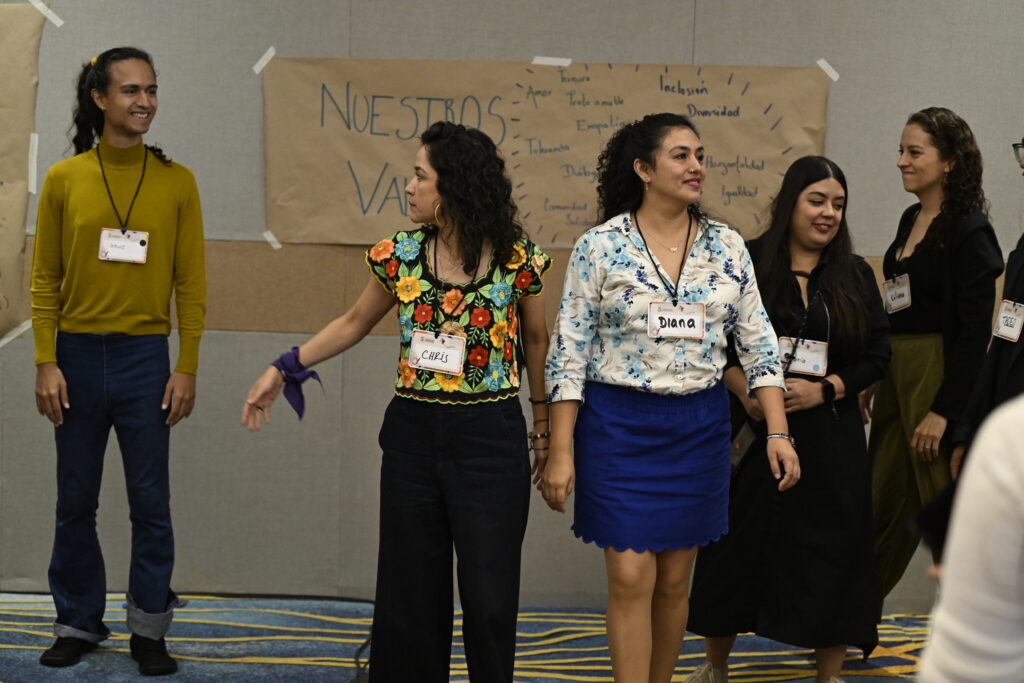
En octubre de 2025 realizamos el Encuentro de Copartes “La esperanza, territorio común”, en el marco del quinto aniversario de Acento. Lo convocamos para abrir un espacio de diálogo estratégico frente a un contexto financiero, político y normativo cada vez más restrictivo para los movimientos sociales.

Un espacio diverso y situado

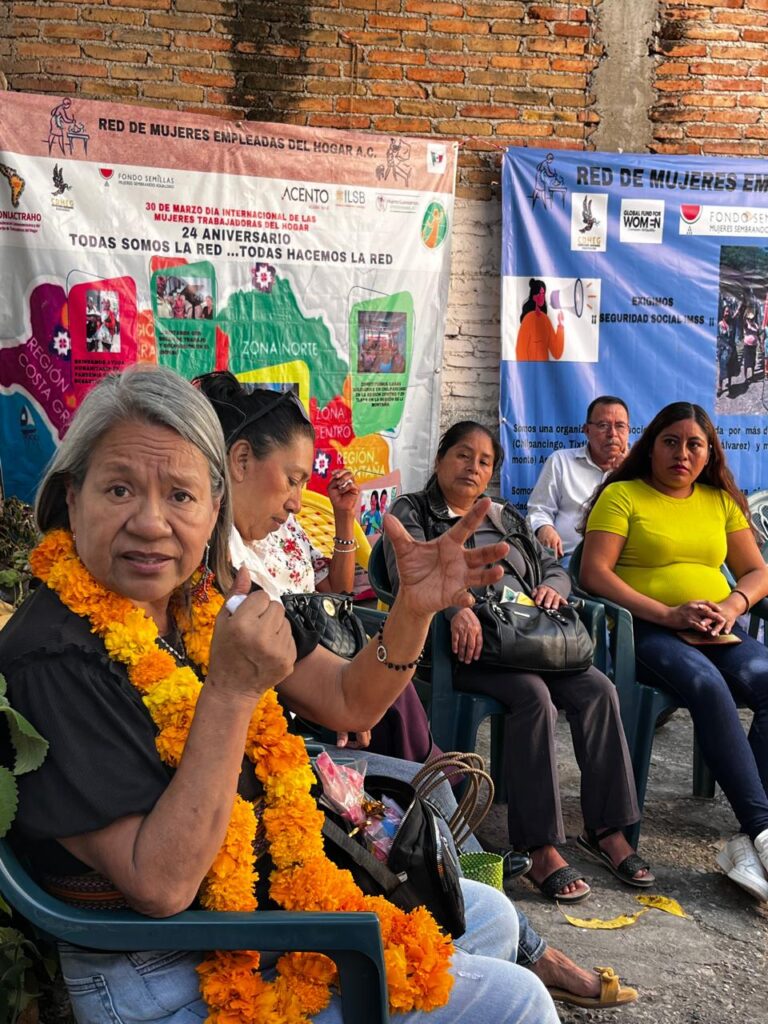
Nos reunimos 67 personas de distintas regiones del país, provenientes de agendas diversas de derechos humanos, participación ciudadana y justicia social. Participaron organizaciones con trayectorias consolidadas y otras en etapas iniciales, liderazgos indígenas, campesinos y afromexicanos, colectivas de mujeres, juventudes organizadas y defensoras del territorio. Fue también un espacio intergeneracional que permitió cruzar experiencias, aprendizajes y perspectivas.

Durante tres días generamos condiciones para pensar juntas, más allá de la urgencia cotidiana.

Tres campos para pensar el presente

Las conversaciones se organizaron en torno a tres ejes prioritarios:

  • Autocuidado, cuidado colectivo y seguridad.
  • Financiamiento y sostenibilidad.
  • Estrategias de lucha e incidencia.

En cada uno de ellos compartimos diagnósticos, tensiones y preocupaciones, pero también prácticas emergentes y rutas posibles. El intercambio confirmó que el momento exige revisar modelos de trabajo, repensar la relación entre organizaciones y fondos, y construir vínculos menos centrados en la vigilancia de los recursos y más orientados a la corresponsabilidad y la colaboración.

Comunidad política en construcción

El Encuentro fue también una experiencia de afirmación colectiva. Celebramos los logros alcanzados, reconocimos las resistencias sostenidas y reforzamos la convicción de que el trabajo por la justicia no se hace en solitario.

Concluimos con una certeza compartida, que la articulación no es un mero gesto simbólico, es una estrategia de supervivencia y transformación. Lo que se fortaleció ahí fue algo más que una red, fue toda una comunidad política sostenida en afectos, aprendizajes y solidaridad activa. 

Lo que aprendimos y lo que nos llevamos

El Encuentro dejó aprendizajes compartidos y compromisos concretos.

1. Un punto de inflexión común

Confirmamos que la filantropía y los movimientos sociales atraviesan un momento de reconfiguración profunda. Sí, persiste la escasez de recursos, pero aparece como central la necesidad de revisar modelos de organización, sostenibilidad y alianza.

2. La urgencia de tejer redes reales

Identificamos la necesidad de canalizar energía y recursos —económicos, técnicos y políticos— hacia la construcción de redes de solidaridad e intercambio que aún no están plenamente materializadas. La articulación no puede quedarse en intención, requiere inversión deliberada.

3. Innovar también es una responsabilidad filantrópica

Surgió con claridad que muchas de las ideas necesarias para sostener los movimientos aún no han sido probadas. Para que esas apuestas emerjan, necesitan respaldo. La filantropía debe asumir el papel de financiar la experimentación y acompañar nuevas formas de colaboración.

4. Energía política y vínculos fortalecidos

Las copartes señalaron que el Encuentro fue un espacio fértil para recargar energía emocional y política. Se fortalecieron relaciones, se identificaron convergencias entre luchas diversas y surgieron ideas concretas que cada organización puede llevar de regreso a su trabajo.

Nuestro compromiso

Desde Acento asumimos la responsabilidad de impulsar y acompañar algunas de las iniciativas que emergieron en estos días. El Encuentro fue apenas el inicio de procesos que requieren seguimiento, recursos y continuidad.

Acento

Te comparto un corte claro de cómo está compuesta nuestra comunidad de copartes.

Yo

Va, te leo.

Acento

Del total:

41 son organizaciones civiles constituidas

17 son grupos o colectivos

7 son redes o alianzas

Acento

Esto es importante: no trabajamos solo con estructuras formales.

Acento

Nuestro foco está en la diversidad de formas en las que las personas se organizan.

Yo

❤️

16,423,551.44
Financiamientos y colaboración económica
6,901,166.41
Actividades de Fortalecimiento
1,382,384.93
Fondo de Acción Emergente
313,931.93
Visitas a copartes

Esta inversión expresa la prioridad institucional: canalizar recursos hacia procesos sostenidos en territorio.

En términos de trayectoria compartida, una combinación entre renovación constante y consolidación de vínculos a mediano plazo.

  • 21 organizaciones están en su primer año de relación
  • 8 en el segundo
  • 15 en el tercero
  • 17 en el cuarto
  • 4 en el quinto

Fortalecimiento organizativo

En 2025 brindamos 25 apoyos de fortalecimiento a copartes en lo individual.

Las principales líneas fueron:

  1. Sostenibilidad organizativa y financiera: obligaciones fiscales y legales, planeación estratégica, movilización de recursos, gestión interna y resolución de conflictos.
  2. Recursos para el trabajo: tecnologías de la información y herramientas de comunicación.
  3. Capacidades en derechos humanos: incidencia y análisis de contexto.

Este acompañamiento refuerza la premisa de que sostener procesos requiere fortalecer estructuras internas.

Datos relevantes:

  • 33 organizaciones trabajan con población indígena o afrodescendiente.
  • 16 trabajan exclusivamente con mujeres.
  • 9 trabajan exclusivamente con población LGBTQ+.
  • 33 trabajan con infancias y juventudes.

Estos datos evidencian un enfoque sostenido en poblaciones excluidas que se organizan alrededor de sus reivindicaciones históricas, y en agendas clave para la garantía de derechos.

Fondo de Acción Emergente (FAE)

En 2025 se otorgaron 18 apoyos del FAE.

  • 16 apoyos fueron para oportunidades de coyuntura que promovieron alianzas y diálogos estratégicos.
  • 2 apoyos fueron destinados a respuesta ante emergencias que ponían en riesgo la continuación de su trabajo.

Los apoyos se distribuyeron principalmente en:

  • Justicia racial, de género y sexual (5)
  • Violaciones graves a derechos humanos (3)
  • Justicia climática y socioambiental (3)
  • Participación en asuntos públicos y democráticos (3)
  • Construcción de paz y justicia (2)
  • Derechos colectivos de pueblos y comunidades (2)

In 2025, dialogue and collaboration took center stage in our work. The accumulated experience alongside our partners, together with the impetus provided by trust-based philanthropy principles, allowed us to participate more clearly and effectively in key areas of the philanthropic ecosystem and civil society, contributing to the strengthening of civic space.


Dialogue with the Philanthropic Sector

We assumed a more active role in conversations with Mexican and international foundations to exchange perspectives on the role philanthropy should play in a context of high uncertainty. We emphasized the need to strengthen more closer and horizontal relationships with organizations on the ground, as well as to review practices that perpetuate logics of control over trust.

Interlocution on Regulatory ad Fiscal Environment

We participate in forums for analysis and proposal-building regarding the situation of civil society organizations in Mexico, particularly in light of the tightening of tax and anti-money laundering regulations. We share not only our institutional perspective but also the specific challenges faced by our partners, contributing to diagnoses and the collective construction of proposals.
.

Contributions from Practice

Our engagement in these spaces is enriched by our daily work alongside civil society organizations. The experience highlights the importance of collective care, the pursuit of political and financial sustainability, and the need to strategically address legal and fiscal challenges.
These lessons are not confined to our internal processes; we bring them to public and private forums for collaboration and analysis, contributing to the development of critical and collective thinking that strengthens civic engagement in Mexico.

We hold that contributing to improving the structural conditions of the environment is, in itself, also a way or reinforcing those who accompaniment processes within local territories.

The year 2025 was marked by fundamental questions. The environment shifted rapidly, forcing us to reassess our assumptions about accompaniment, strengthening and sustainability. Rather than accumulating answers, we learned to refine the way we formulate questions.

Through this critical exercise, we consolidated three key lines of learning that now guide our practice.

1. Accompaniment is Political and Strategic

At Acento, we understand accompaniment as walking alongside and building mutual accompaniment with our partners. We are guided by trust, close communication, respect for autonomy, and shared responsibility.

This year, we affirmed with greater clarity that our accompaniment is also political, as it explicitly seeks to strengthen social organization and contribute to human rights, citizen participation, and social justice agendas. Our collaboration with partners is not merely technical or financial: it is an alliance aimed at shaping the present.

We also defined our accompaniment as strategic. This entails jointly identifying needs, setting priorities, and developing plans that respond to the context. To this end, we have prioritized:
The sustained building of ties of trust.
A more nuanced understanding of the environment that impacts work in local territories.
The interweaving of information, knowledge, and relationships that strengthen not only our partners, but also the broader ecosystem with which we share common causes.

2. Rethinking Strengthening

We operate within what we identify as a changing era, one that affects the permanence of social justice causes. This context led us to question whether traditional organizational models are still sufficient to respond with agility and sustainability.

We learned that strengthening cannot be limited to administrative or technical capacities. It requires a thorough review of structures, alliances, decision-making processes, and collective strategies for political and financial sustainability.

We don’t have definitive answers. However, we hold one conviction: at this historical moment, strengthening our movement must be conceived from a collective perspective. As social movements, we are more resilient when we weave networks, share resources, and forge common goals.

We are committed to experimenting with new approaches that respond to such reality.

3. Accumulated Knowledge is a Responsibility

Five years of collaboration with organizations across the country, based on a transformative and trust-based philanthropy approach, have allowed us to accumulate experience, identify trends and better understand the structural challenges of this sector.

We recognize that this knowledge cannot remain internal. Professionalizing its systematization and sharing it strategically is part of our commitment to the human rights movement and to the transformation philanthropic practices.


Consolidating and Transforming Our Strengthening Strategy

In 2026, we will further refine our strengthening strategy. We are redefining objectives, methodological tools, and accompaniment modalities to respond more effectively to a context of high uncertainty.


We will expand our partnerships with professionals who accompany organizational processes and revitalize collaboration among current and former partners, opening systematic spaces for exchanging best practices, learning, and generating collective knowledge. This strengthening will not be limited to the individual level: we will commit to approaches that consolidate networked capabilities.


Strengthen Our Institutional Structure

Throughout 2026, we will continue adapting and consolidating Acento´s team. We are seeking greater agility, organizational resilience, and strategic clarity to better respond to the challenges we face together with our partners and allies.


This internal strengthening will also allow us to explore new routes to position, disseminate, and finance our model.


Strategic Decisions Already Underway

  • Raíz Fund
  • At the end of 2025, we launched a pilot fund, the Raíz Fund, aimed at partners and former partners that seeks to finance innovative initiatives focused on organizational resilience and sustainability in an adverse political and financial context.
  • During 2026, we will accompany its implementation, document results and systematize lessons learned to share them with the philanthropic and human rights sector.
  • We opened a permanent registry on our website to continuously identify organizations with strategic affinities. This tool allows us to proactively reach out to profiles with collaboration potential, avoiding time-consuming annual call processes and focusing our efforts where real funding opportunities exist.
    • Promote Community and Shared Knowledge
      • We will promote renewed spaces for exchange and idea generation among partner organizations. We will experiment with unconventional methodologies and alliances that will allow us to strengthen collective capacities and produce useful knowledge beyond Acento´s community.
      • We will also begin to shape a community of former partners, recognizing that the alliances built transcend the funding period. We seek to consolidate an expanded space for political collaboration, mutual learning, and strategic coordination.
      • A Realistic Reading of the Environment
      • We anticipate that the context for human rights advocacy will continue to be challenging. This requires expanding alliances, exploring dialogues with actors who were not previously part of our immediate environment, and responsibly embracing our role as a bridge between different sectors.
      • Intermediation and coordination will be central tasks in the next cycle.
      • Greater Autonomy to Mobilize Resources  
        • Our reliance on traditional sources of cooperation, particularly from North America, has taught us valuable lessons. In 2026, we committed to diversifying and expanding our funding sources, both for Acento and for the organizations we accompany.
      • We will seek new financial and non-financial sources, and strengthen our role as a bridge channeling resources towards local processes aimed at social justice.


In short, in 2026 we will build on top of what we have learned, explore new paths, and assume with greater clarity our role in the human rights and philanthropy ecosystem in Mexico.


Acknowledgments and Closing Remarks

Looking back to 2025, we are satisfied to know that Acento does not walk alone: it is moving forward as part of a collaborative network that expands possibilities and sustains the political imagination necessary to transform realities.

It is privilege and a responsibility to have a Board that accompanies our strategic decisions and enriches our discussions.

The financial and strategic backup of the John D. and Catherine T. MacArthur Foundation, the Ford Foundation, the WK Kellogg Foundation, and Open Society Foundations is a key piece for the continuity and consolidation of our philanthropic model based on trust.

The technical and strategic alliances we have established strengthen our daily work, expand our capabilities, and allow us to respond more effectively to the challenges that organizations face.

Above all, the foundation of this project continues to be the generosity and trust of our current and former partners. Together with them we learn, adjust, imagine, and grow.

We know the environment will continue to be challenging. We also know that collective organization is a historical force that has sustained struggles and expanded rights. All of us who are part of Acento renew our commitment to helping individuals and communities fully exercise their right to organize, defend their rights, and build dignified living conditions in their territories.

Thank you for your trust. We remain committed to reciprocating it.

Acento´s Team