
What began as a commitment to bringing philanthropic resources closer to local groups and organizations is now a sustained practice — with important lessons learned and a clear sense of our role and contribution to the philanthropic and human rights sector.
From the outset, we knew we did not want to be a fund that simply transfers resources. We set out to accompany transformative processes already unfolding in communities — processes that strengthen citizen participation and human rights defense as the foundation of democratic life.
This meant rethinking the position from which we do our work, recognizing the need to build trust-based relationships, and understanding that strengthening and accompaniment must be something fundamentally different from monitoring, oversight, and technical problem-solving. We committed ourselves to listening, close dialogue, collective building, and respect for autonomy.
2025
Annual Report
A political community grounded in care, shared learning, and active solidarity.
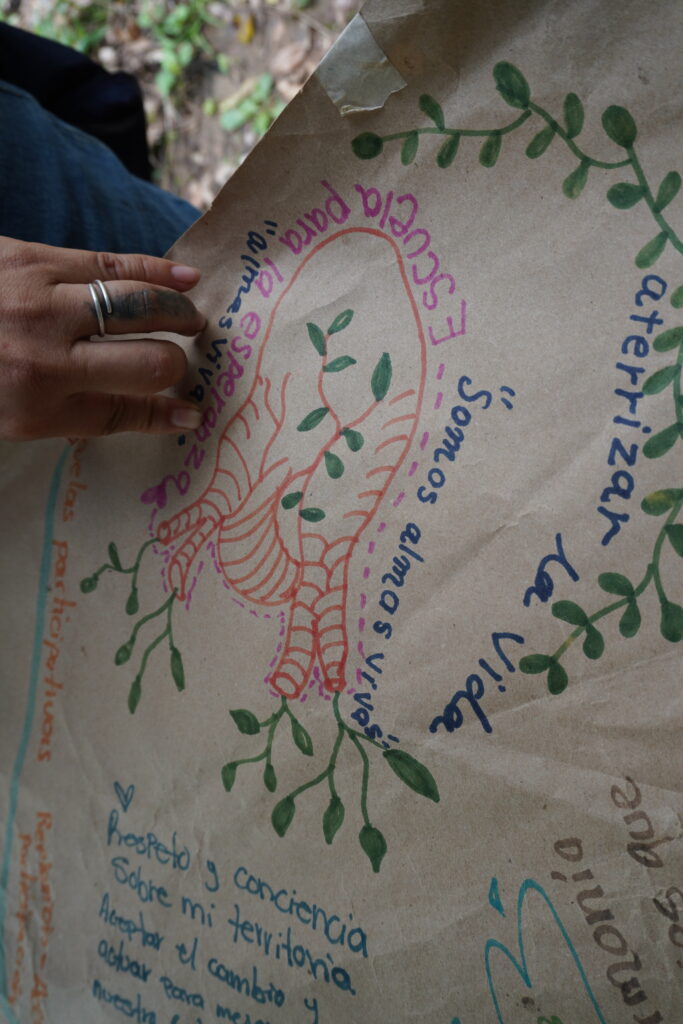
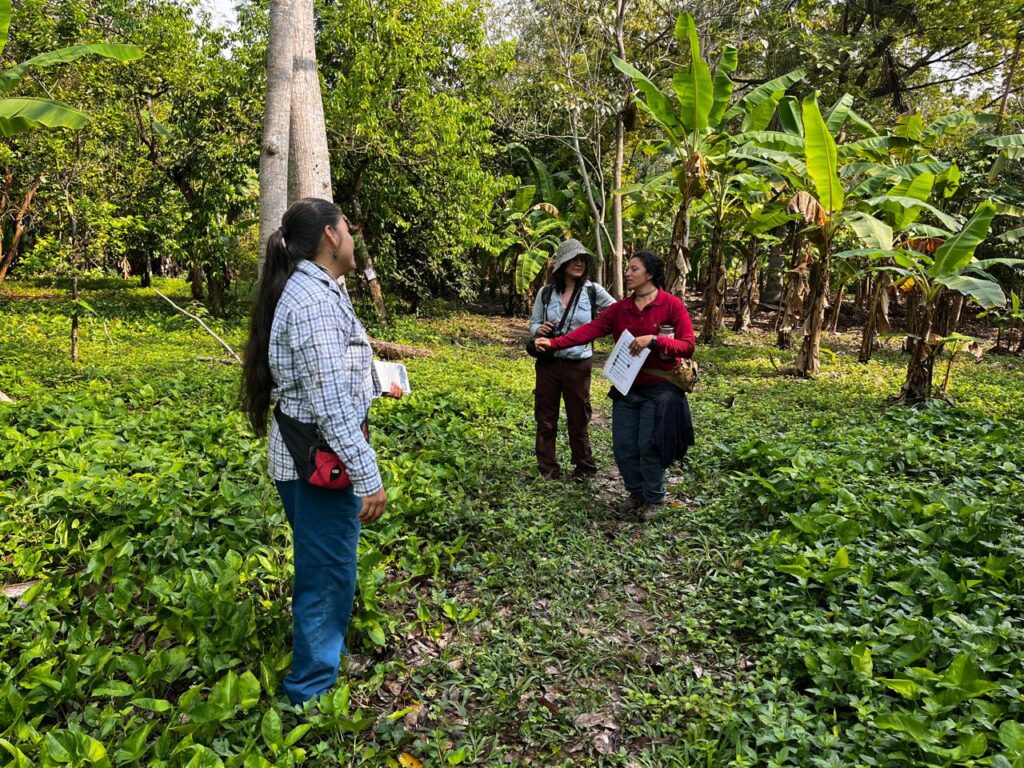
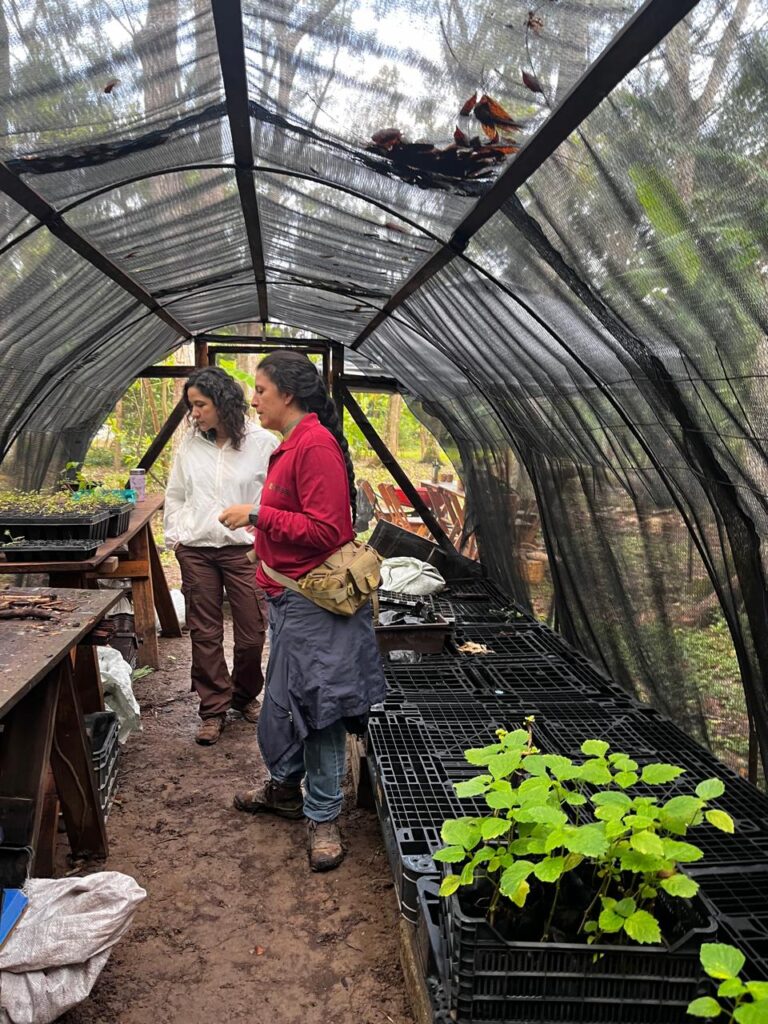
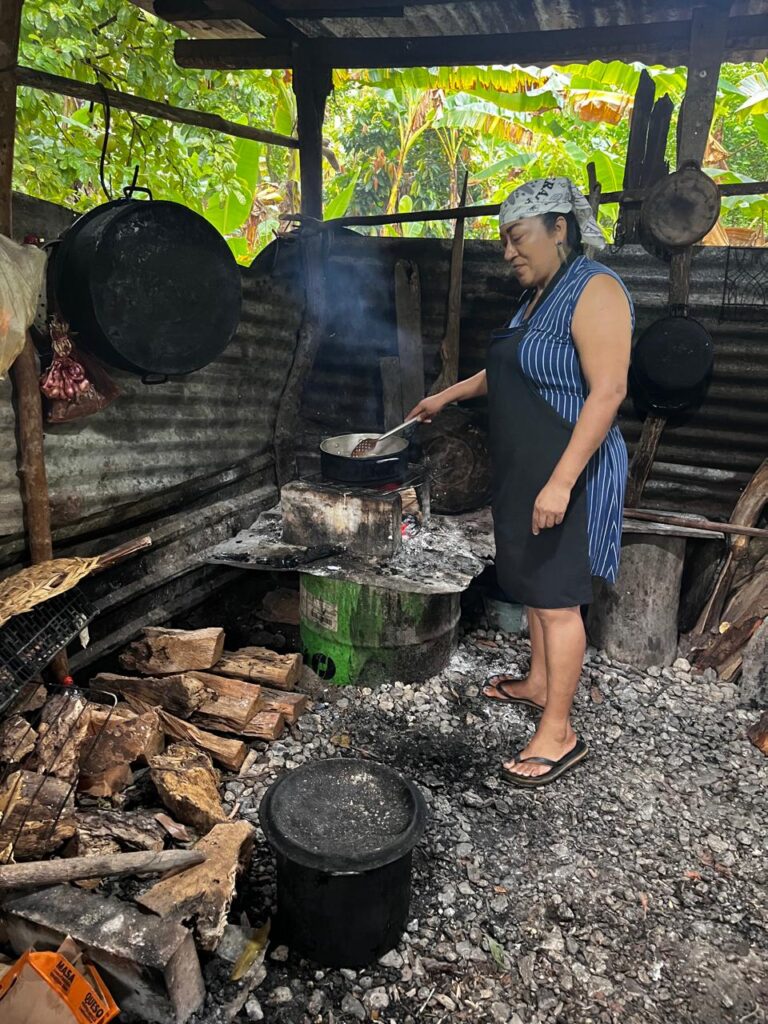
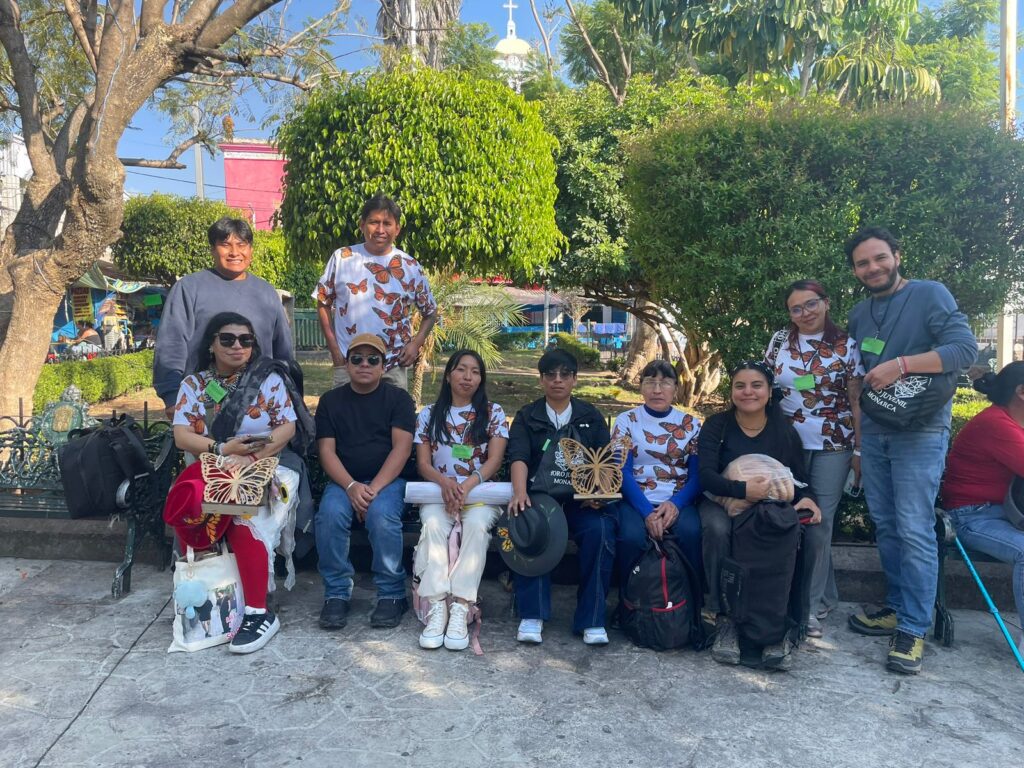

In 2025, Acento turned five

The Relationships We Have Built
Over time, we have also expanded our role within the philanthropic ecosystem. In addition to supporting our partners, we have helped to facilitate conversations among donors and participated in technical discussions on how to ensure fairer conditions for those exercising their right to organize. We are convinced that contributing to transforming the enabling environment so that our partners can continue their work is also part of our role.
The relationships we have built with current and former partners are not solely explained by the resources invested. They are sustained by shared learning and accumulated trust. Each process has required us to adjust our model, simplify practices, and recognize that supporting others also means changing ourselves.

Dignified Life, a Shared Horizon
In a context where inequalities are deepening and rights are being restricted, we have chosen to deepen our practice of community. We question ourselves, examine our approach, and seek more meaningful ways to act collectively in the face of systems that reproduce exclusion and violence. We do not work from a position of neutrality — we are convinced that a dignified life is a shared horizon.
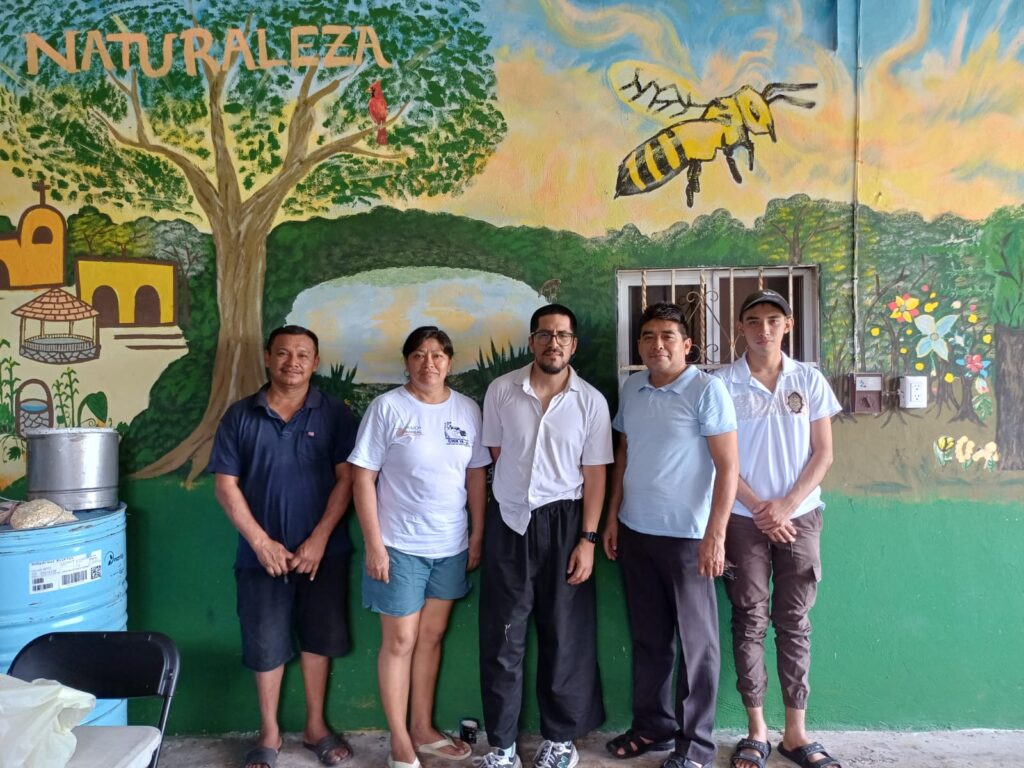
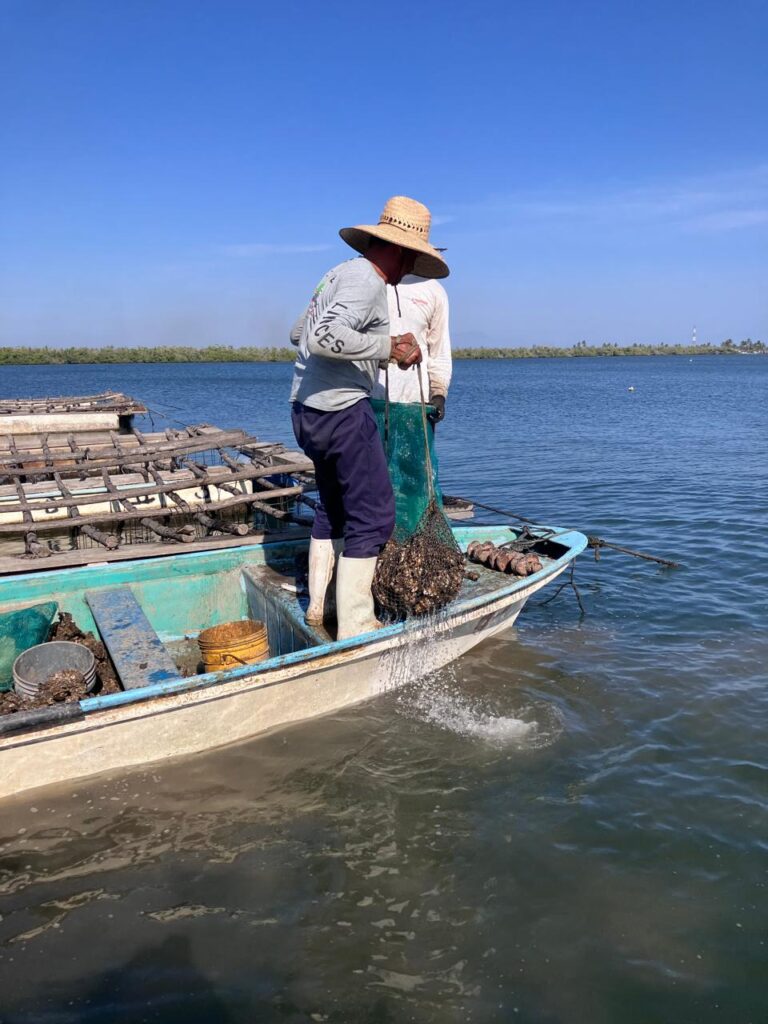
If this journey has confirmed anything, it is that we do not define our path alone. We find it in communities themselves, in their wisdom: in Indigenous, peasant, and Afro-Mexican communities; in organized women; in searching families; in urban youth and LGBTQ+ collectives; in grassroots leaders who sustain their work under adverse conditions. That is where the knowledge that guides us lives.
Our Institutional Commitment
2025 was an especially turbulent year for organized civil society and for the advancement of human rights and social justice agendas.
Internationally, trends that had been building for years accelerated. These included the dismantling of USAID and the abrupt cancellation of investment projects across multiple countries, as well as the United States government’s pressure on private foundations that have historically supported human rights, citizen participation, and social justice agendas in Mexico and around the world.
Domestically, the tightening of tax obligations for authorized grantee organizations — part of a broader state strategy to increase revenue collection — created an environment of uncertainty and heightened vulnerability, particularly for organizations with fewer resources.
This landscape was further compounded by violence across communities and the persistent threat to the work of human rights and territory defenders.
Our Institutional Response
Faced with this hostile and shifting environment, our priority in 2025 was to adjust our strategy so we could respond with greater agility and relevance to the needs of the organizations we accompany.
We advanced on three main fronts:
- A review of our strengthening strategy, with the aim of more directly addressing the needs identified by our partners.
- The implementation of pilot initiatives to experiment with new approaches that strengthen alliances and promote the exchange of experiences among organizations.
- Greater investment in the Emergency Action Fund (EAF), expanding resources allocated to coordination and response processes in critical junctures.
Spaces to Question Together, in Good Faith
One of the most significant moments of the year was the Partners’ Meeting held in October. We identified the need to pause and collectively analyze how challenges are experienced at the local level — and to open a space for political imagination: to generate ideas, alternatives, and shared horizons that would renew the energy to keep building conditions for dignified living in our communities.
That collective perspective was not limited to that gathering. We also participated actively in spaces for exchange, analysis, and joint proposal-building, both with Mexican organizations and within national and international philanthropy settings.
2025: A Year of Strengthening
We look back on 2025 as a year of institutional growth:
- We deepened the relationship of trust and collaboration with our partners.
- We made internal adjustments to strengthen our capacity to respond.
- We consolidated alliances with strategic actors in the philanthropic ecosystem.
The horizon, through it all, remains the same: to contribute to a stronger, more diverse, and better-connected human rights movement.
Spaces to Question Together, in Good Faith –
Spaces to Question Together, in Good Faith –
Spaces to Question Together, in Good Faith –
Spaces to Question Together, in Good Faith –
Voices from the Field: Stories from Our Partners





Partners’ Meeting
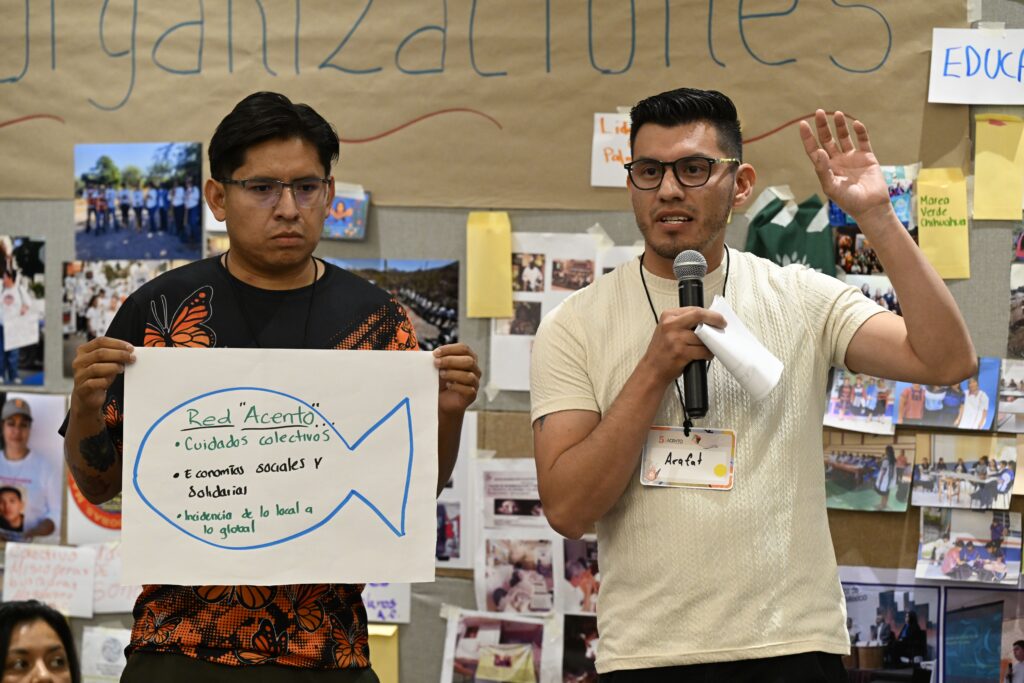
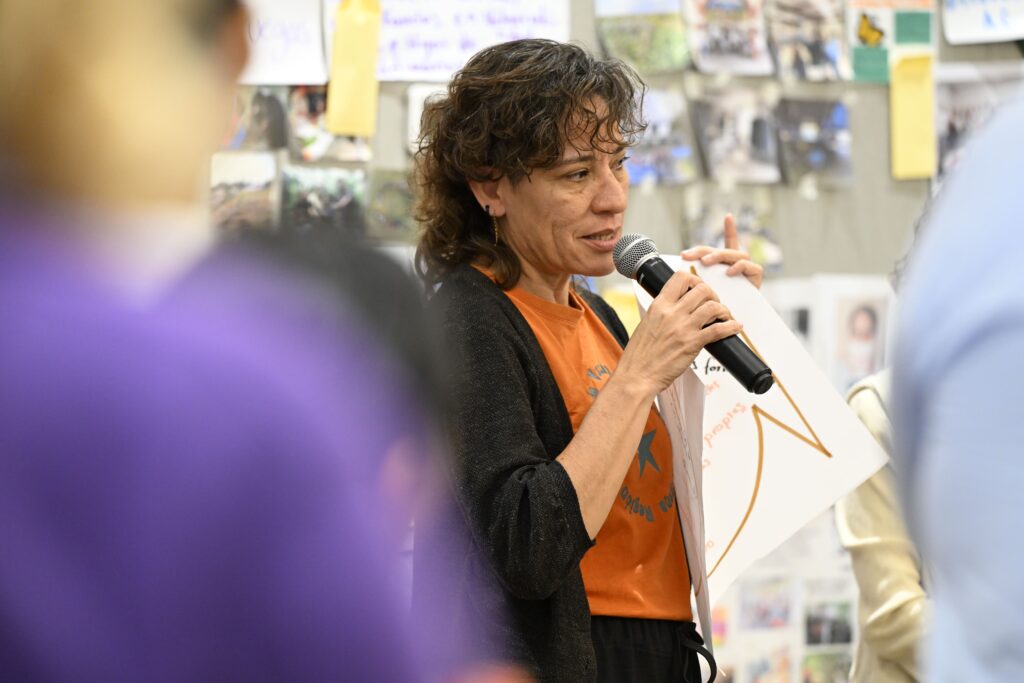
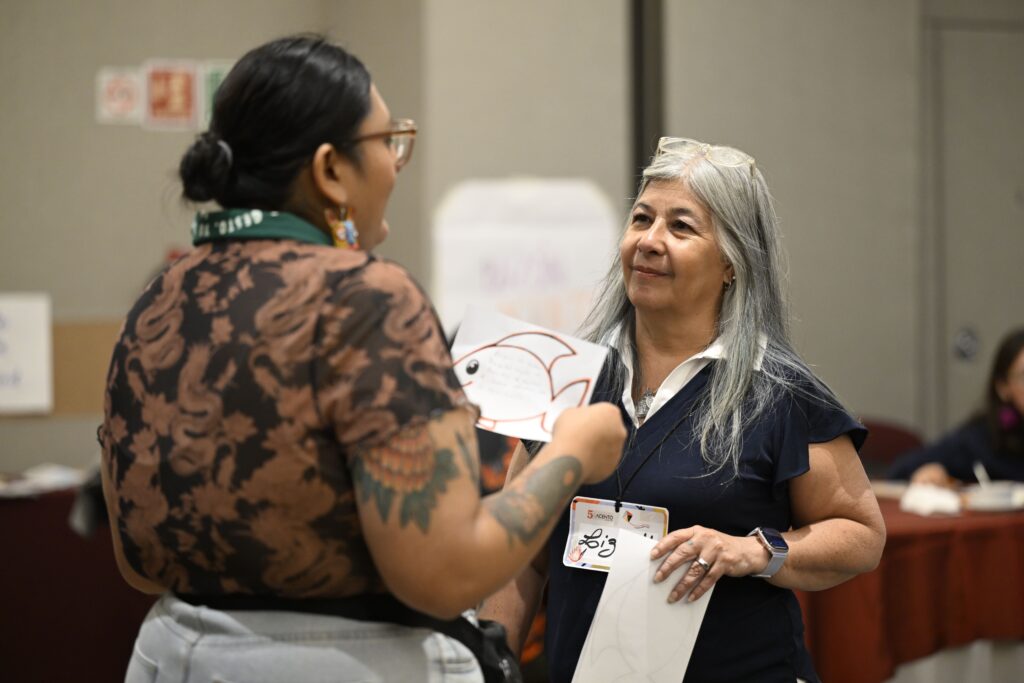
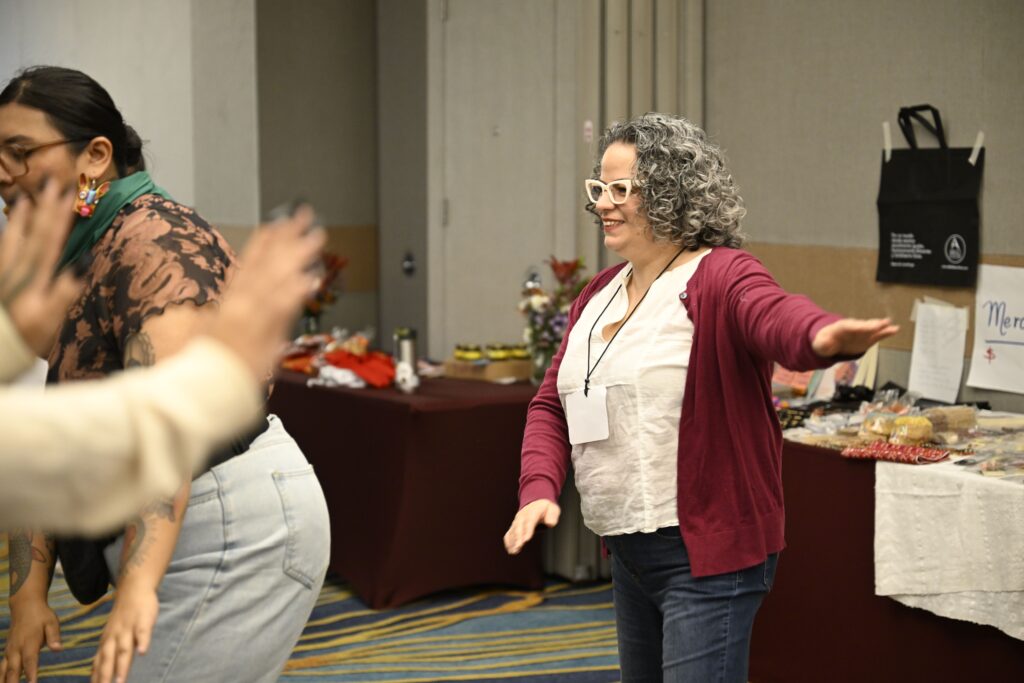
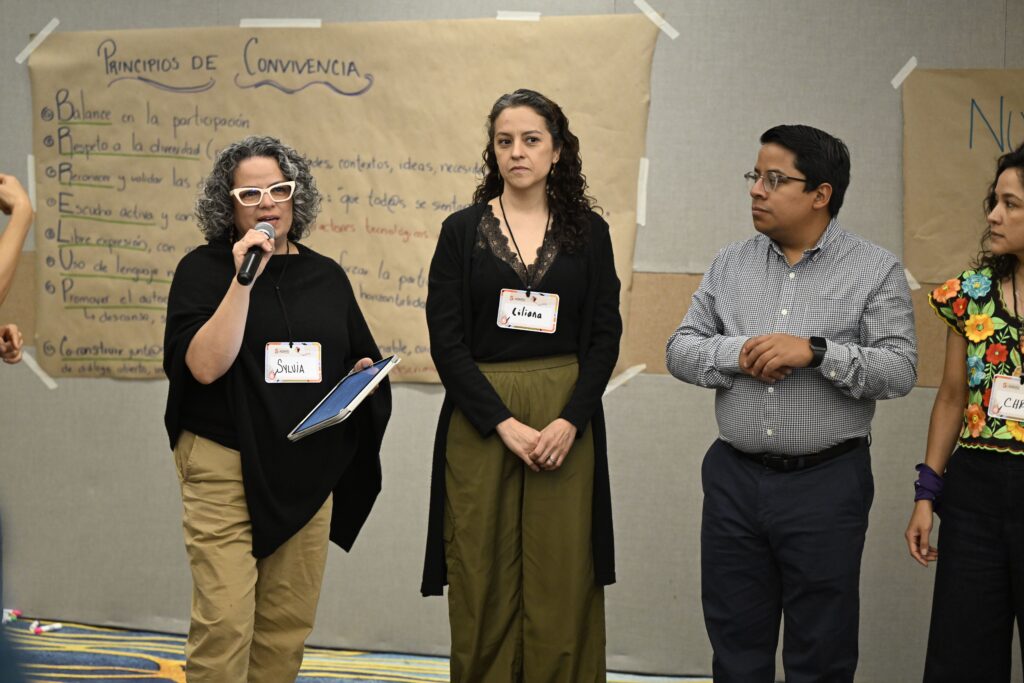
In October 2025, we held the Partners’ Meeting, «Hope, Common Ground,» as part of Acento’s fifth anniversary. We convened it to create a space for strategic dialogue in the face of an increasingly restrictive financial, political, and regulatory environment for social movements.
A Diverse and Grounded Space
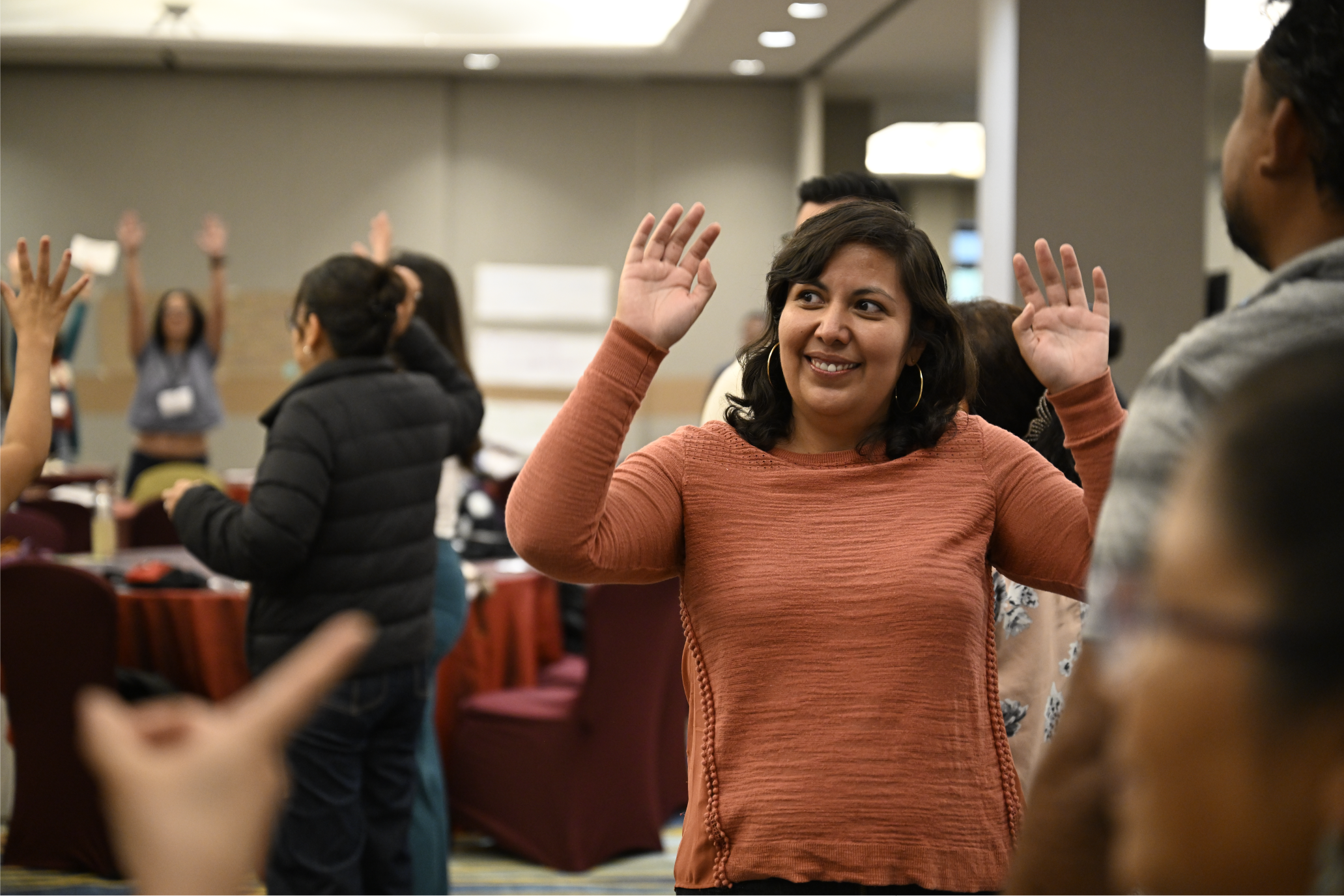
Sixty-seven people from different regions of the country came together, representing diverse agendas in human rights, citizen participation, and social justice. Organizations with established track records and others in their early stages participated alongside Indigenous, peasant, and Afro-Mexican leaders, women’s collectives, organized youth, and territory defenders. It was also an intergenerational space that allowed for the cross-pollination of experiences, learning, and perspectives.
For three days, we created the conditions to think together — beyond the urgency of the everyday.
Three Arenas for Reflecting on the Present
The conversations were organized around three priority areas:
- Self-care, collective care, and safety.
- Financing and sustainability.
- Strategies for activism and advocacy.
In each, we shared diagnoses, tensions, and concerns — but also emerging practices and possible paths forward. The exchange confirmed that this moment calls for revisiting work models, rethinking the relationship between organizations and funders, and building connections less centered on resource oversight and more oriented toward shared responsibility and collaboration.
A Political Community in the Making
The Gathering was also an experience of collective affirmation. We celebrated the achievements made, acknowledged the sustained resistance, and reinforced our conviction that the work for justice is not done alone.
We concluded with a shared certainty: that solidarity is not merely a symbolic gesture — it is a strategy for survival and transformation. What was strengthened there went beyond a network; it was an entire political community grounded in care, shared learning, and active solidarity.
Lessons Learned and What We Carry Forward
The Meeting produced shared insights and concrete commitments.
1. A Common Turning Point
We confirmed that philanthropy and social movements are undergoing a moment of profound reconfiguration. Resource scarcity persists — but what has emerged as central is the need to revisit models of organization, sustainability, and alliance.
2. The Urgency of Weaving Real Networks
We identified the need to channel energy and resources — economic, technical, and political — toward building solidarity networks and spaces for exchange that are not yet fully realized. Coordination cannot remain mere intention; it demands deliberate investment.
3. Innovation is also a philanthropic responsibility
It became clear that many of the ideas needed to sustain these movements have not yet been tested. For these ideas to emerge, they need support. Philanthropy must take on the role of funding experimentation and supporting new forms of collaboration.
4. Political Energy and Strengthened Ties
The participating organizations noted that the Meeting was a fertile ground for recharging emotional and political energy. Relationships were strengthened, common ground was identified among diverse struggles, and concrete ideas emerged that each organization can take back to its work.
Our Commitment
Acento assumes the responsibility of promoting and accompanying some of the initiatives that emerged from these days. The Meeting was only the beginning of processes that require follow-up, resources, and continuity.
Who We Worked With in 2025
In 2025, we collaborated with 65 partners across 30 states. This network reflects the organizational and territorial diversity that defines Acento’s work.
Explore our interactive map! Toggle our thematic areas on and off to discover how our partners are distributed across the country.

Here’s a clear picture of how our partner community is composed.
Go ahead, I’m reading.
Of the total:
41 are established civil organizations
17 are groups or collectives
7 are networks or alliances
This matters: we don’t work exclusively with formal structures.
Our focus is on the diversity of ways in which people organize.
❤️
$
Capital Expenditure in 2025
This investment represents 61% of our total annual budget for 2025 and reflects our institutional priority of channeling resources toward sustained processes in local communities.
Organizational Strengthening
In 2025, we provided 25 individual partner organizations with capacity-building support.
The main areas of focus were:
1. Organizational and financial sustainability: tax and legal obligations, strategic planning, resource mobilization, internal management, and conflict resolution.
2. Resources for work: information technologies and communication tools.
3. Human rights capacities: advocacy and context analysis.
This support reinforces the premise that sustaining processes requires strengthening internal structures.
Relevant data:
- 33 organizations work with Indigenous or Afro-descendant populations.
- 16 work exclusively with women.
- 9 work exclusively with LGBTQ+ populations.
- 33 work with children and youth.
This data demonstrates a sustained focus on excluded populations that organize around their historical demands and key agendas for guaranteeing rights.
In terms of shared trajectory, there is a combination of constant renewal and consolidation of medium-term ties.
- 21 organizations are in their first year of collaboration
- 8 in their second
- 15 in their third
Emergency Action Fund (EAF)
In 2025, 18 EAF grants were awarded.
- 16 grants were for timely opportunities that fostered strategic alliances and dialogues.
- 2 grants were allocated to respond to emergencies that threatened the continuation of their work.
The grants were primarily distributed among:
- Racial, gender, and sexual justice (5)
- Serious human rights violations (3)
- Climate and socio-environmental justice (3)
- Participation in public and democratic affairs (3)
- Peacebuilding and justice (2)
- Collective rights of peoples and communities (2)
In terms of shared trajectory, a combination of constant renewal and the consolidation of medium-term ties.
- 21 organizations are in their first year of relationship with us
- 8 in their second
- 15 in their third
- 17 in their fourth
- 4 in their fifth
Risks, Achievements, and Learnings of Our Partners
Dialogue and Collaboration: What We Moved from Within
In 2025, dialogue and collaboration took center stage in our work. The accumulated experience alongside our partners, together with the principles of trust-based philanthropy, allowed us to participate with greater clarity and conviction in key spaces within the philanthropic ecosystem and civil society, contributing to the strengthening of civic space.
GUIDING  LESSONS:
 WHAT THE CONTEXT COMPELLED US TO RECONSIDER
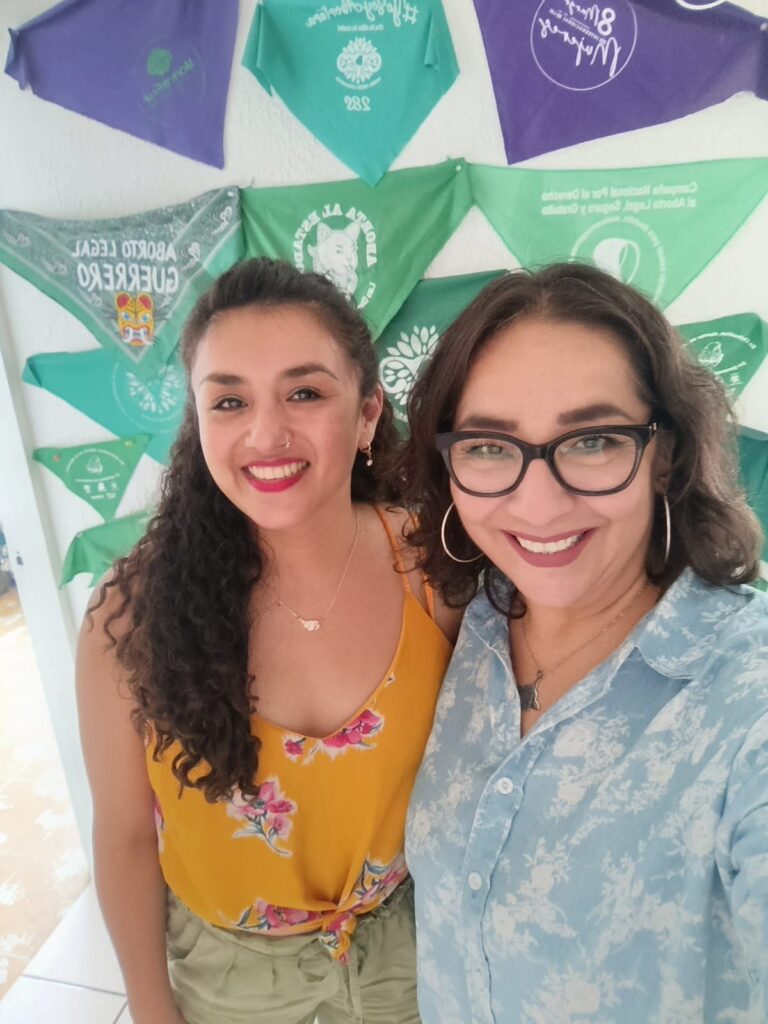
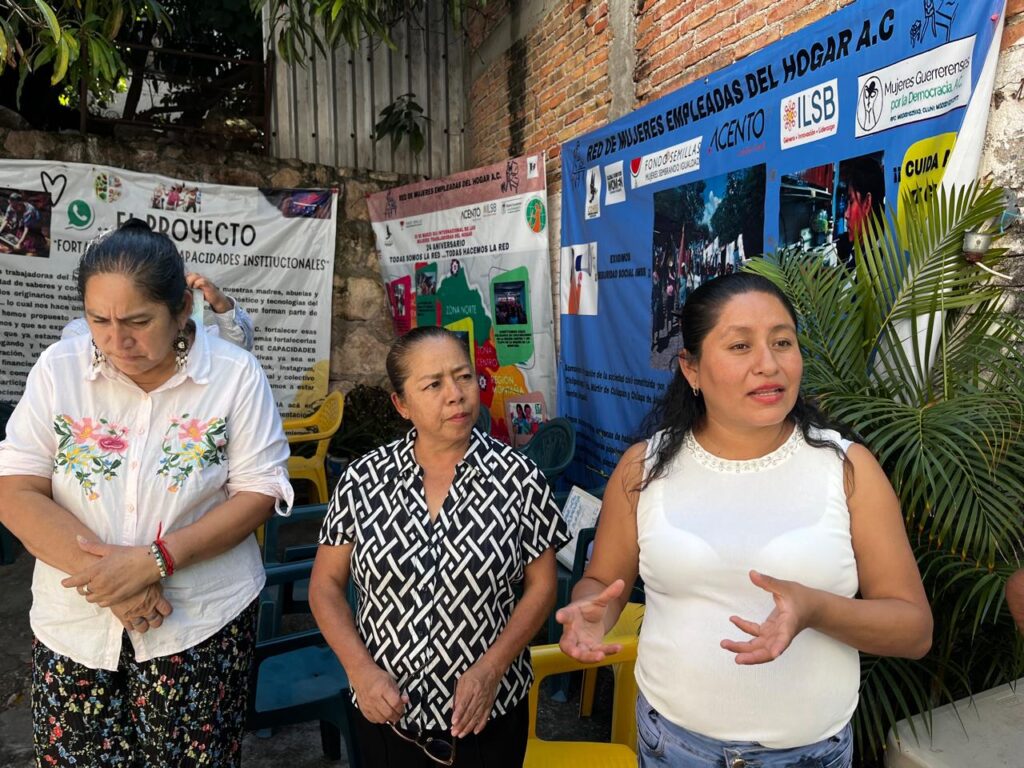
2025 was a year of fundamental questions. The environment shifted rapidly, compelling us to reassess our assumptions about accompaniment, strengthening, and sustainability. Rather than accumulating answers, we learned to refine the way we formulate questions.
Through this critical exercise, we consolidated three key lines of learning that now guide our practice.
1. Accompaniment is Political and Strategic
At Acento, we understand accompaniment as walking alongside and building mutual support with our partners. We are guided by trust, close communication, respect for autonomy, and shared responsibility.
This year, we affirmed with greater clarity that our accompaniment is also political, because it explicitly seeks to strengthen social organization and contribute to human rights, citizen participation, and social justice agendas. Our collaboration with partners is not merely technical or financial: it is an alliance aimed at shaping the present.
We also defined our accompaniment as strategic. This entails jointly identifying needs, setting priorities, and developing plans that respond to the context. To this end, we have prioritized:
- The sustained building of trust-based relationships.
- A more nuanced understanding of the environment that impacts work in local communities.
- The interweaving of information, knowledge, and relationships that strengthen not only our partners, but also the broader ecosystem with which we share common causes.
2. Strengthening Needs to Be Rethought
We operate within what we identify as a changing era — one that affects the permanence of social justice causes. This context led us to question whether traditional organizational models are still sufficient to respond with agility and sustainability.
We learned that strengthening cannot be limited to administrative or technical capacities. It requires a thorough review of structures, alliances, decision-making processes, and collective strategies for political and financial sustainability.
We do not have definitive answers. We do, however, hold one conviction: at this historical moment, strengthening must be conceived collectively. As social movements, we are more resilient when we weave networks, share resources, and build common horizons.
We are committed to experimenting with new approaches that respond to this reality.
3. Accumulated Knowledge is a Responsibility
Five years of collaboration with organizations across the country, grounded in a transformative and trust-based philanthropy approach, have allowed us to accumulate experience, identify trends, and better understand the structural challenges of this sector.
We recognize that this knowledge cannot remain internal. Professionalizing its systematization and sharing it strategically is part of our commitment to the human rights movement and to the transformation of philanthropic practices.
Our role also entails producing analysis, fostering informed conversation, and helping the ecosystem make decisions with greater clarity.
What’s Coming: 2026 Prospects and Commitments


Consolidating and Transforming Our Strengthening Strategy
In 2026, we will further deepen the renewal of our strengthening strategy. We are redefining objectives, methodological tools, and accompaniment modalities to respond more effectively to a context of high uncertainty.
We will expand our partnerships with professionals who accompany organizational processes and revitalize collaboration among current and former partners, opening systematic spaces for exchanging practices, learnings, and generating collective knowledge. Strengthening will not be limited to the individual level: we will commit to approaches that consolidate networked capabilities.
Strengthening Our Institutional Structure
Throughout 2026, we will continue adapting and consolidating Acento’s team. We are seeking greater agility, organizational resilience, and strategic clarity to better respond to the challenges we face together with our partners and allies.
This internal strengthening will also allow us to explore new routes to position, disseminate, and finance our model.
Raíz Fund
At the end of 2025, we launched the Raíz Fund — a pilot fund aimed at current and former partners that seeks to finance innovative initiatives focused on organizational resilience and sustainability in an adverse political and financial context.
During 2026, we will accompany its implementation, document results, and systematize learnings to share them with the philanthropic and human rights sector.
Permanent Registry of Organizations
We opened a permanent registry on our website to continuously identify organizations with strategic affinities. This tool allows us to proactively reach out to profiles with collaboration potential, avoiding time-consuming annual call processes and concentrating our efforts where real funding opportunities exist.
Promoting Community and Shared Knowledge
We will foster renewed spaces for exchange and idea generation among partner organizations. We will experiment with unconventional methodologies and alliances that allow us to strengthen collective capacities and produce useful knowledge beyond Acento’s immediate community.
We will also begin to shape a community of former partners, recognizing that the alliances built transcend the funding period. We seek to consolidate an expanded space for political collaboration, mutual learning, and strategic coordination.
A Realistic Reading of the Environment
We anticipate that the context for human rights advocacy will continue to be challenging. This requires expanding alliances, exploring dialogues with actors who were not previously part of our immediate environment, and responsibly embracing our role as a bridge between different sectors.
Intermediation and coordination will be central tasks in the next cycle.
Mobilizing Resources with Greater Autonomy
Our reliance on traditional sources of cooperation, particularly from North America, has left us with clear lessons. In 2026, we commit to diversifying and expanding our funding sources, both for Acento and for the organizations we accompany.
We will seek new financial and non-financial sources, and strengthen our role as a bridge channeling resources toward local processes working for social justice.
In short, in 2026 we will build on what we have learned, explore new paths, and assume with greater clarity our role in the human rights and philanthropy ecosystem in Mexico.
At Acento, We Walk in Community
Acento moves forward as part of a collaborative network that expands possibilities and sustains transformation.
It is a privilege to have a Board that accompanies our strategic decisions. The support of the John D. and Catherine T. MacArthur Foundation, the Ford Foundation, the WK Kellogg Foundation, and Open Society Foundations is key to consolidating our model. Our technical alliances strengthen our daily work.
Above all, the trust of our current and former partners remains the foundation of this project.
We know the environment will continue to be demanding. At Acento, we renew our commitment to the right to organize and to build conditions for dignified living.
Thank you for your trust. We remain committed to reciprocating it.
Acento's Team